Pokemon Bronze Rebirth Battle Colosseum PvP
Formats, BP, breeding, and what to invest in first.
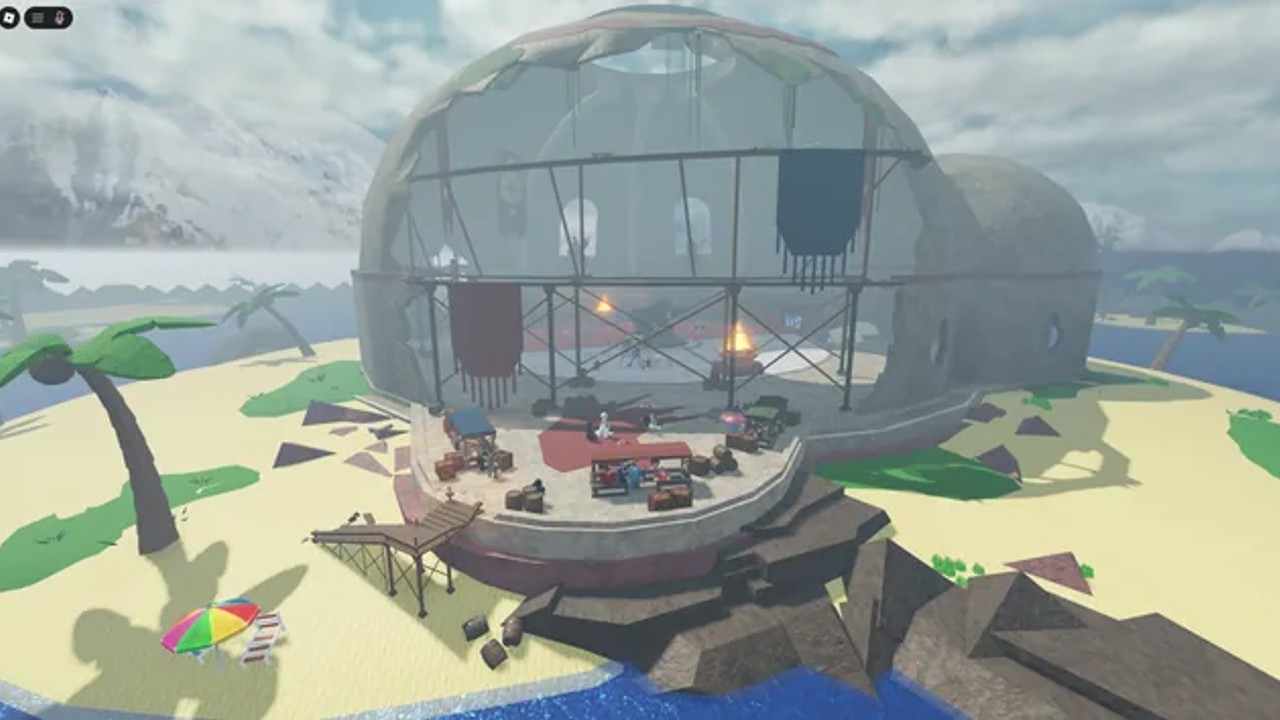
Battle Colosseum is where Pokemon Bronze Rebirth stops being a Roria gym tour and starts feeling like a Showdown night. You bring trained Pokémon into Singles, Doubles, or Tag rules, toggle formats with banlists, and earn Battle Points (BP) from rated wins. This page is a practical PvP tier guide: which investments matter, how formats change the “S tier” label, and how codes for bottle caps and breeding items feed the ladder.
Pair this with breeding items for Destiny Knot / Everstone workflows, the type matchups primer for coverage math, and the live Codes list whenever a limited reward dumps BP or Silver Bottle Caps into your account.
Formats and banlists
Colosseum mirrors competitive language players already know from Pokémon Showdown:
- Anything Goes: Almost no species bans. Broken legendaries and hyper offense dominate. Fun for friendlies; noisy for learning fundamentals.
- Uber: Restricted broken threats still appear, but the absolute freest stuff is cut. Bring checks, not hope.
- OU (OverUsed): The default serious ladder for most players. Balance revolves around strong non-banned threats, hazards, pivots, and speed control.
- UU (UnderUsed): Lower power ceiling, higher skill on role compression. Great when you want code gifts like Lucario or Dragonite lines to shine without every battle being a restricted legendary mirror.
Exact banlists can shift when Chien-Pao Games patches the Colosseum. Always confirm the in-game format picker before you spend a week breeding a niche that just got cut.
Singles reward classic one-versus-one prediction, pivots, and revenge killing. Doubles reward redirection, Fake Out style speed control, and spread damage—your story team of six wallbreakers will fail until you rebuild. Tag is excellent practice with a friend but typically does not pay BP or rank the way rated Singles/Doubles do. Play Tag to learn; play rated to fund the BP shop.
Level options (fixed low levels, Level 50, Level 100, or Adventure levels) change which raw stats matter. Ladder norms usually settle on a standard competitive level—build for that, then keep a separate Adventure box so you do not overwrite story movesets.
What “S tier” means on Colosseum
In PvP, S tier is not “coolest shiny.” It means:
- Clear primary role (wallbreaker, tank, pivot, cleaner).
- Winning matchups into common OU/UU cores without needing three specific partners.
- Worth Silver Bottle Caps, mints, and EV vitamins.
- Survives the current banlist conversation.
A-tier PvP mons need a partner or lose a popular meta shape. B-tier mons are memes, personal favorites, or format specialists. Promote or demote ruthlessly after each patch—especially when gyms and Elite Four were reworked with Tera, because those balance philosophies often spill into ranked tooling.
Code Pokémon can be S-tier projects:
- Riolu → Lucario (
AuraGuardian): Fighting / Steel with strong attacking stats. Needs nature, EVs, and often a bottle-cap pass to keep up with optimized ladder mons. - Dragonair → Dragonite (
DragonsDen): Late story gift that becomes a Colosseum staple once EV trained. Do not ladder with the raw Lv. 45 gift untouched. - Eevee evolutions (
EeveeFriend): Flexible; pick the Eeveelution that fills your team’s missing type instead of forcing Sylveon into every OU hole.
Shiny Magikarp / Litten / Snover from limited codes are collection flexes first. Gyarados can be built seriously; treat event shinies as optional projects after your core six exist.
BP spending order
BP comes from rated Colosseum wins (base payouts with streak bonuses) and from codes (EeveeFriend, SweetVictory, AuraGuardian, RoadToVictory, BreederPack, EVPack, DragonsDen, CrystalPower, HallOfFame, plus limited codes). Spend with a plan:
- Fix natures with mints when a perfect IV mon rolled the wrong nature. Mints are classic BP sinks in Colosseum shops.
- Buy missing competitive items the Adventure bag never gave you.
- Avoid dumping BP into duplicates while your team still lacks Speed control or a reliable pivot.
- Do not hoard forever—seasons and shop rotations reward trainers who convert BP into finished sets.
Rematch the same opponent too quickly and you may stop earning BP; rotate opponents to keep streaks honest. Unrated battles are for testing sets without tanking rank.
Bottle caps, IVs, and EVs
Silver Bottle Caps hyper-train individual stats. Codes sprinkle them across the badge route and dump a pile from HallOfFame after the Champion. Use caps on the Pokémon you already decided are S/A for your format—not on every Trade Resort impulse buy.
Breeding path:
- Redeem
BreederPack(4 badges) for Destiny Knot, Everstone, and Soothe Bell. - Redeem
EVPackfor vitamins and PP Max so you can finish spreads without endless grinding. - Breed with Destiny Knot to pass IVs; hold Everstone to lock natures.
- Vitamin or battle EV train to the competitive spread.
- Bottle-cap the last imperfect IV if needed.
- Recheck moves and Tera type before queueing rated.
Deep item routing belongs on breeding items. The short version: Knot + Everstone turn code gifts into real ladder mons; vitamins turn “story strong” into “stat legal.”
Tera and STAB in rated play
Terastallization exists in Rebirth battles. In PvP:
- Save Tera to break a key resist or to blank the opponent’s STAB.
- Remember you typically get one meaningful Tera swing per battle—mirroring how trainers were reworked to Terastallize once when their sets support it.
- STAB still multiplies your main attacks; a Tera type that deletes your STAB can be a trap unless the nuke wins the game on the spot.
Build sets assuming opponents know the type chart. Open type matchups while you write coverage moves so you are not guessing whether Ice Beam or Earthquake belongs in slot four.
Team-building checklist
- Choose a format (OU Singles is the best classroom).
- Lock one win condition, one pivot, one speed control tool, one answer to your win condition’s checks.
- Import code cores (Lucario, Dragonite, chosen Eeveelution) only if they fill a role.
- Breed and EV train before you care about rank.
- Spend BP on mints/items that finish those six.
- Play twenty unrated games, note what walls you, adjust, then go rated.
- After a patch, reread Codes and official updates—new shards, caps, or ban changes reshuffle S tier overnight.
Common mistakes
- Laddering with Adventure level caps and leftover HM junk moves.
- Burning Hall of Fame bottle caps on a B-tier shiny before the OU core is done.
- Ignoring Doubles roles and wondering why Fake Out teams delete you.
- Hoarding 2,000 BP while your sweeper still has a hindering nature.
- Building six attackers and zero pivots.
Avoid those, and Colosseum stops feeling like random losses and starts feeling like a meta you can study.
Where to go next
Finish breeding workflows on breeding items, keep the type chart helper open while editing movesets, and redeem every BP-heavy code on Codes the moment you meet the badge requirement. Story clears make you eligible; Colosseum prep makes you dangerous.
Frequently Asked Questions
Quick answers for trainers exploring Roria.
Do Tag battles give BP?
Treat Tag as practice. Rated Singles and Doubles are the reliable BP and rank path; confirm the current client text if a patch changes rewards.
Should I bottle-cap my Adventure starter first?
Only if that Pokémon is staying on your Colosseum team. Otherwise save Silver Caps for your actual ladder six.
Which format should beginners play?
OU Singles teaches roles and prediction without Anything Goes chaos. Move to UU or Doubles once fundamentals stick.
How do codes help PvP?
They grant BP, Silver Bottle Caps, Destiny Knot, Everstone, EV vitamins, Tera Shards, and strong gift Pokémon like Riolu and Dragonair.
Is Tera required to win?
Not every set needs it, but ignoring Tera when opponents use it correctly will lose close games. Plan one Tera win condition per team.